How Often Should You Really Clean Your Roof?
You've noticed the neighbour had their roof done and now you're wondering if yours is overdue. It's a fair question, and the honest answer is that it's not one you can set to a strict calendar. How often your roof needs cleaning depends on where you live, which way it faces, and what it's made of.
What you don't want is to clean too often, which is a waste of money, or to leave it so long that moss does real harm. Getting the timing right sits somewhere in between, and it's easier to judge once you know what actually drives the growth. Here's how to work out the right rhythm for your own home in Leeds.
The quick answer: Most Leeds roofs benefit from a proper clean every three to five years, but shaded, north-facing, or heavily mossed roofs may need it sooner, so judge by the state of the slates rather than by a fixed date.

1. There's No Single Answer
Anyone who gives you a flat number for every roof is guessing. Two houses on the same street can be years apart in when they need cleaning, depending on shade, trees, and how the last clean was done. A roof treated with a proper biocide stays clear far longer than one that was just scraped.
What helps is to stop thinking in fixed intervals and start reading your own roof. The slates tell you when they need attention. A rough guide of every few years is useful for budgeting, but the roof itself is the thing to watch, not the date of the last visit.
2. What Speeds Moss Growth in Leeds
Leeds gives moss a lot to work with. The city sits in the Aire valley where damp lingers, and it catches wet weather blowing in off the Pennines, so roofs rarely get a proper dry spell. That constant moisture is exactly what moss and algae need to spread.
Trees make it worse. A roof under a big sycamore in a leafier part of Roundhay or Chapel Allerton collects leaf litter and stays shaded and damp, so it grows moss much faster than an exposed roof on an open street. If your house sits in shade with trees close by, expect to clean more often than someone on a bright, open corner.
3. Which Way Your Roof Faces
Aspect makes a real difference. North-facing slopes get the least sun, so they stay damp longest and grow the thickest moss. It's common to see a Leeds terrace with a clear south side and a green, mossy north side on the very same roof, cleaned at the same time.
Walk round and see which slopes are worst. If your main roof faces north or sits in the shadow of taller buildings, that side will drive your cleaning schedule. The sunnier slopes might look fine for years while the shaded ones are ready for attention much sooner.
4. Your Roof Material Matters
What's over your head changes the picture. The old Welsh slate on Leeds terraces has a fairly smooth surface, and while it still grows moss in the damp, it can shed it a bit more readily than a rougher tile. It also lasts a century or more, so it's well worth keeping clean.
Concrete tiles, common on newer estates around the edges of the city, are a different story. Their surface is more porous and textured, which gives moss more to grab onto, so they often need cleaning a little more regularly. Knowing which you've got helps you set a sensible expectation.
5. Signs It's Due Rather Than a Calendar
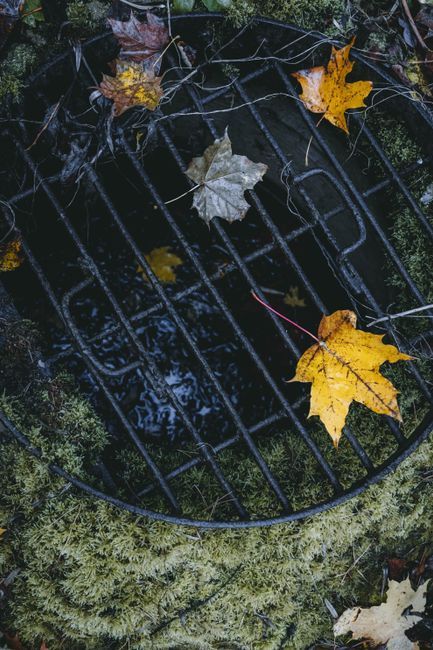
Forget the date and look for the signs. Thick moss clumps along the eaves, green or black streaks running down the slates, and moss dropping into the gutters all say the roof is ready. If you're pulling lumps of moss out of the gutter every time you clear it, the roof is feeding them.
Inside signs count too. A damp smell in the loft or a stain appearing on an upstairs ceiling can trace back to a roof that has been left too long. When two or three of these show up together, that's your cue, regardless of how recently it was last cleaned.
6. Cleaning Versus Maintaining
There's a difference between a full clean and keeping on top of things. A proper soft wash with a biocide treatment every few years is the big job. Between those, a quick gutter clear and a look each spring keeps small problems from turning into reasons to clean early.
Regular light attention stretches the gap between full cleans. Clearing the leaves each autumn, sorting an overhanging branch, and keeping the gutters flowing all slow the moss down. Look after the roof in small ways and you'll clean it less often, which is the cheapest approach over the life of the house.
- Rough guide: Every three to five years suits many Leeds roofs, but treat it as a starting point.
- Aspect first: North-facing and shaded slopes grow moss fastest and set the schedule.
- Mind the trees: Leafy, shaded gardens mean more frequent cleaning than open streets.
- Know your material: Textured concrete tiles usually need attention sooner than smooth slate.
- Read the roof: Thick moss, streaks, and gutter debris tell you it's due, not the calendar.
Frequently Asked Questions
Can I clean my roof too often?
You can waste money on it, yes. Cleaning a roof that isn't growing much moss adds little, and repeated harsh cleaning can wear a surface. A treatment that lasts is better than frequent scrubbing.
Does a biocide treatment change how often I need to clean?
It does. A biocide keeps killing regrowth for a good while after the clean, so a treated roof stays clear noticeably longer than one that was only scraped or rinsed.
Why does my neighbour's roof look worse than mine?
Often it comes down to aspect and trees. A north-facing slope or a roof under overhanging branches grows moss far faster, even on the same street with the same weather.
Is a mossy roof actually a problem or just ugly?
Light growth is mostly cosmetic, but thick moss holds water against the slate, works into the gaps, and blocks gutters, and that combination shortens a roof's life over time.
How do I know if it's time without going up there?
You can tell a lot from the ground. Look for moss along the eaves, green streaks on the slopes, and lumps of moss in the gutters after rain, all visible without a ladder.
Not sure if your roof is due a clean?
Ben's Roof Cleaning handles roof cleaning, moss removal, and gutter cleaning across Leeds and West Yorkshire, with over 15 years of experience. Get in touch or call 0113 487 0308
for a free, no-obligation quote.
Let the Slates Set the Schedule, Not the Calendar
The right cleaning frequency for your roof is the one your roof asks for. Watch the shaded slopes, keep an eye on the gutters, and factor in the damp Leeds weather and any trees close by. Do that, keep up the small bits of maintenance in between, and you'll clean at the right time rather than too early or far too late.